
Regulatory Requirements
Review the EPA Clean Trucks Plan 2027. This plan updates greenhouse gas emission standards. Heavy-duty vehicles must comply. Newer engine technologies require higher volumes of Diesel Exhaust Fluid (DEF).
Follow these steps to prepare for 2027:
- Audit current engine inventory.
- Calculate projected DEF consumption increases.
- Identify a reliable diesel exhaust fluid supplier.
- Establish a bulk storage plan.
New regulations target nitrogen oxide (NOx) emissions. SCR (Selective Catalytic Reduction) systems use DEF to convert NOx into nitrogen and water. Expect increased fluid usage as standards tighten. View regulatory details at https://ascendwholesale4u.com/services.
Consumption Trends
Analyze fleet usage patterns. A fleet with 10 vehicles currently uses approximately 4,800 gallons of DEF annually. Under new 2027 standards, the same fleet will require 7,200 gallons annually. This represents a 50% increase in fluid demand.
Monitor these factors:
- Vehicle age.
- Load weights.
- Idle times.
- Routes.
Increased consumption makes retail purchases inefficient. Transition to bulk DEF delivery to manage high-volume needs. Track your usage rates monthly. Maintain accurate logs. Avoid operational downtime caused by empty DEF tanks.

Cost Efficiency
Compare bulk pricing against retail pricing. Retail containers cost more per gallon. Bulk delivery reduces the price per unit. Eliminate the expense of plastic packaging.
Calculate potential savings:
- Determine annual gallon usage.
- Multiply by the price difference between retail and bulk.
- Subtract storage equipment costs.
- Factor in labor savings.
Bulk purchasing lowers the total cost of ownership. Avoid the high margins associated with gas station retail prices. Use competitive pricing from a nationwide diesel exhaust fluid supplier to stabilize your budget. Read more about cost strategies at https://ascendwholesale4u.com/2026/03/14/the-simple-trick-to-improve-your-bulk-lubricants-supplier-costs-right-now.
Supply Chain Reliability
Review the 2022 supply chain crisis. Export restrictions from China and Russia limited urea availability. North American fleets faced potential shortages. Secure a consistent supply line today.
Prioritize these supplier traits:
- Nationwide delivery capabilities.
- Multiple sourcing locations.
- Large inventory reserves.
- Transparent communication.
Relying on local retail availability creates risk. Bulk delivery ensures product is on-site before it is needed. Reduce vulnerability to global market fluctuations. Ascend Wholesale provides reliable logistics across the US. Avoid common mistakes by reading https://ascendwholesale4u.com/2026/02/18/7-mistakes-youre-making-with-diesel-exhaust-fluid-delivery-and-how-to-fix-them.
Storage Solutions
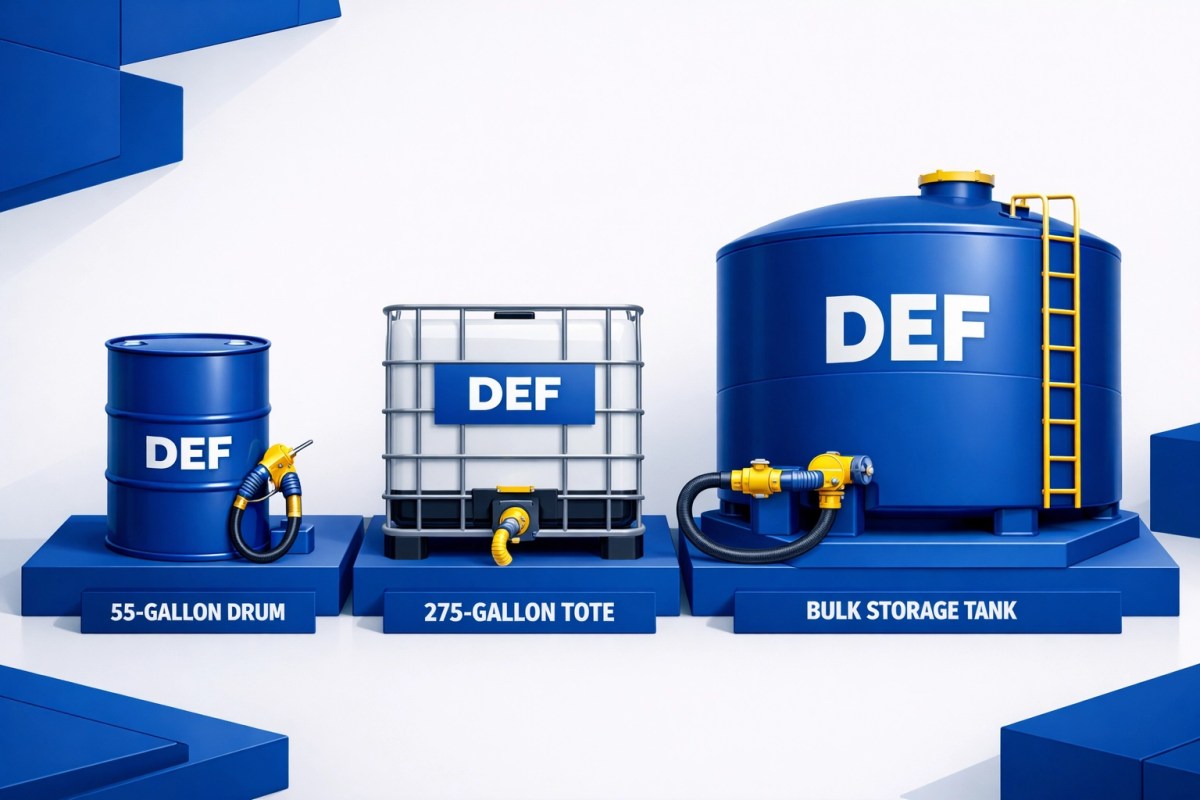
Choose the correct storage format. DEF requires specific handling to maintain purity.
Select from these options:
- 55-Gallon Drums: Suitable for small fleets or backup supply.
- 275-Gallon Totes: Standard for medium-sized operations.
- 330-Gallon Totes: Efficient for larger footprints.
- Bulk Tanks: Permanent installations for high-volume users.
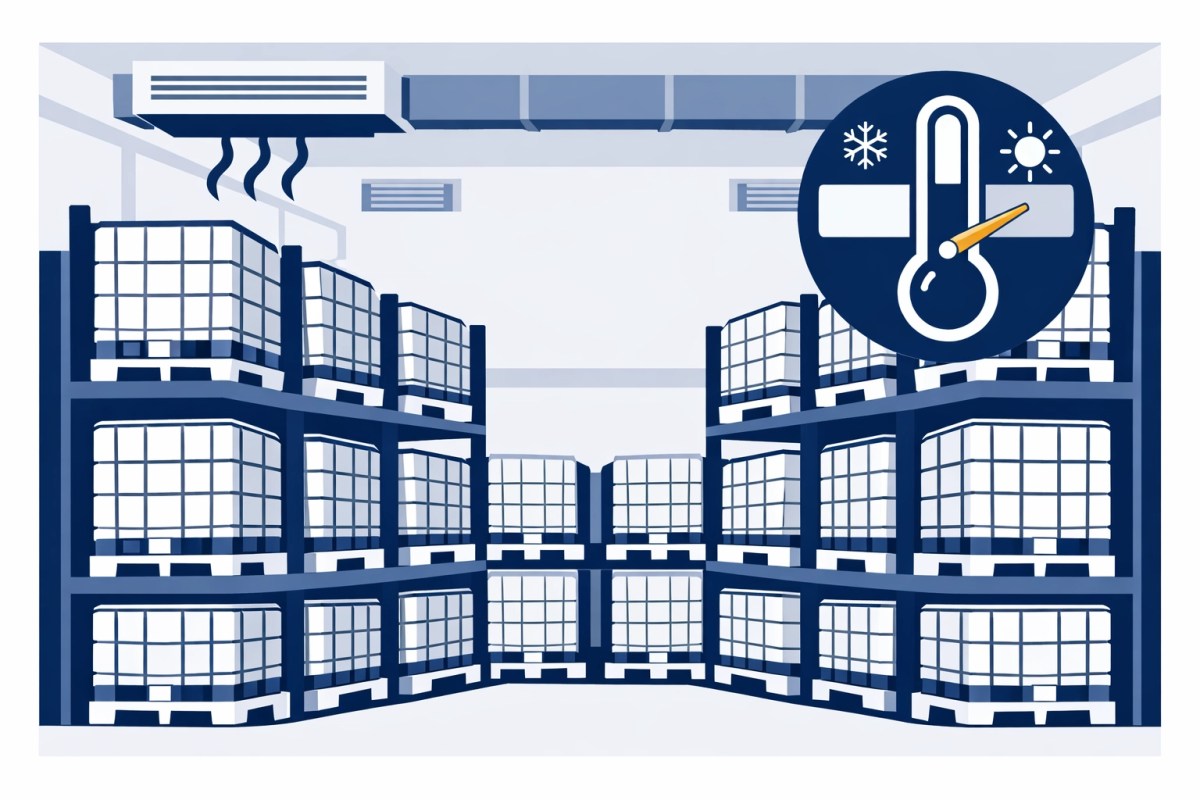
Maintain product integrity. Store DEF away from direct sunlight. Maintain temperatures between 12°F and 86°F. Fluid degrades at high temperatures. Fluid freezes at 11°F. Frozen DEF does not damage the fluid, but it must be thawed before use. Compare tote and drum options at https://ascendwholesale4u.com/2026/03/15/tote-lubricant-delivery-vs-55-gallon-drums-which-is-better-for-your-operation.
Logistics and Operations
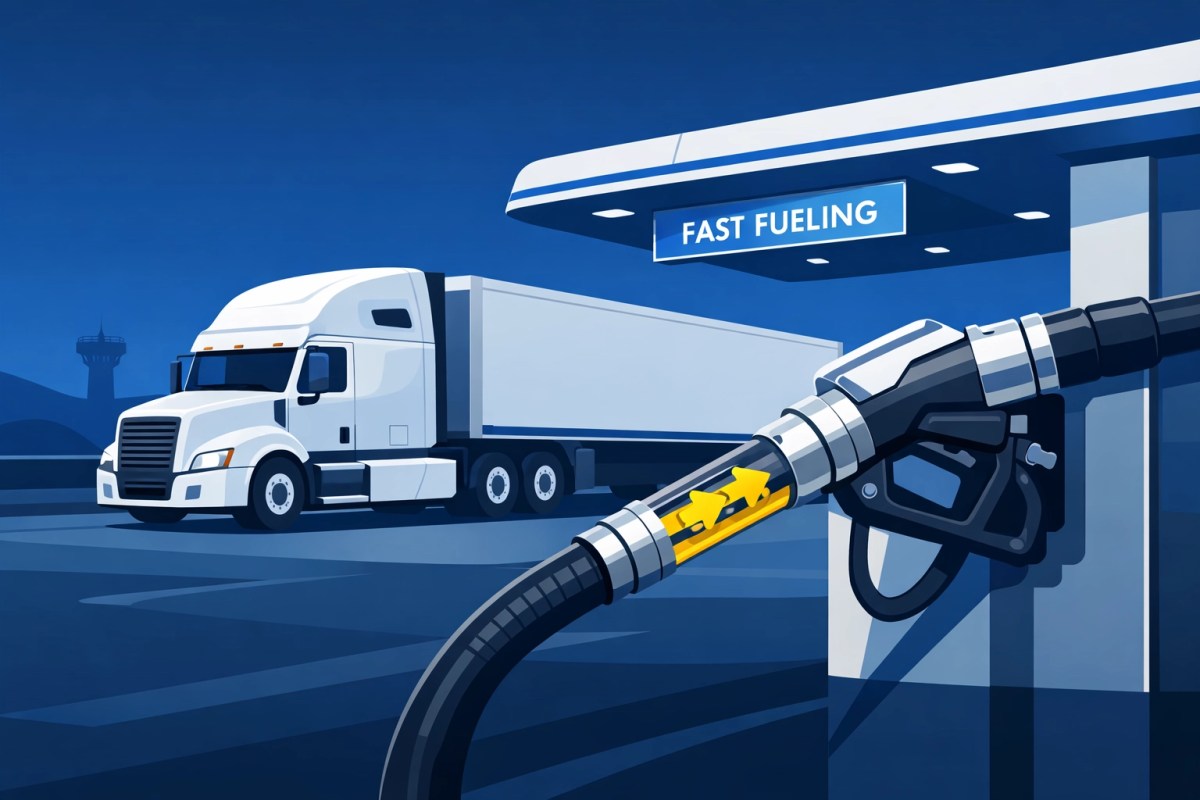
Optimize fleet movement. Eliminate stops for DEF at commercial pumps. Each stop adds 15 to 20 minutes to a route. Calculate the value of saved driver hours.
Operational steps:
- Install a dispensing system at the home terminal.
- Train drivers on terminal refueling procedures.
- Schedule automatic top-offs from your supplier.
- Monitor tank levels remotely.
Bulk systems reduce the risk of contamination. Using individual jugs increases the chance of dirt entering the SCR system. Contaminated DEF causes engine sensors to fail. Failed sensors trigger "limp mode." Limp mode limits vehicle speed and power. Avoid repairs by using a closed delivery system.
Chemical Composition
Understand the product. DEF is a mixture of 32.5% high-purity urea and 67.5% deionized water. It is non-toxic. It is non-flammable. It is non-hazardous.
Follow safety protocols:
- Use dedicated pumps and hoses.
- Clean spills with water.
- Avoid contact with carbon steel, copper, or brass.
- Use stainless steel or approved plastic components.
Maintaining the 32.5% concentration is critical. Evaporation or dilution triggers engine warnings. Bulk storage in sealed containers prevents evaporation. Ensure your diesel exhaust fluid supplier provides ISO 22241 certified product.
Nationwide Sourcing
Simplify your vendor list. Use one distributor for all lubricant and fluid needs. Ascend Wholesale serves as a single point of contact for:
- Diesel Exhaust Fluid.
- Industrial lubricants.
- Aviation oils.
- Hydraulic fluids.
Nationwide delivery eliminates local sourcing headaches. Standardize your product quality across all regions. Centralize your billing and reporting. Contact an industrial lubricants supplier for consolidated quotes. Review sourcing hacks at https://ascendwholesale4u.com/2026/03/13/the-simple-trick-to-improve-your-bulk-lubricants-sourcing-right-now.
Inventory Management
Track your stock. Implement a "First-In, First-Out" (FIFO) system. DEF has a shelf life.
Shelf life guidelines:
- Constant 68°F: 36 months.
- Constant 86°F: 12 months.
- Constant 95°F: 6 months.
Manage inventory levels to prevent expiration. Bulk delivery schedules can be adjusted based on seasonal demand. Use tank monitors to trigger orders automatically. Prevent outages. Prevent waste. For more inventory tips, visit https://ascendwholesale4u.com/2026/04/09/7-mistakes-youre-making-with-bulk-lubricant-inventory-and-how-to-fix-them.
Market Growth
Observe global trends. The DEF market is valued at approximately $43.5 billion. Growth is projected at 8% annually through 2032. Demand is increasing in construction, agriculture, and transportation.
Current market drivers:
- Stricter emission laws in North America and Europe.
- Modernization of fleet engines.
- Expansion of logistics networks.
Participation in the bulk market provides price stability. High demand often leads to retail price spikes. Secure a contract with a diesel exhaust fluid supplier to lock in competitive rates.
Environmental Impact
Reduce plastic waste. One 330-gallon tote replaces 132 individual 2.5-gallon jugs.
Environmental benefits of bulk:
- Less landfill waste.
- Fewer delivery truck trips.
- Lower carbon footprint for the supply chain.
- Reduced risk of fluid spills during manual pouring.
Sustainable operations improve brand reputation. Bulk delivery aligns with corporate green initiatives. Eliminate the labor required to crush and dispose of empty plastic containers.
Supplier Comparison
Evaluate your current partner. Compare them against nationwide distributors.
Checklist for suppliers:
- Do they offer nationwide delivery?
- Is their pricing transparent?
- Can they supply aviation oil and industrial lubricants?
- Do they provide equipment leasing for tanks?
Choose a partner like Ascend Wholesale. We offer simple solutions for complex fluid needs. View our comparison guide at https://ascendwholesale4u.com/2026/02/15/how-to-choose-the-best-bulk-lubricant-supplier-compared.
Implementation Steps
Start the transition to bulk.
Actions:
- Request a quote for bulk DEF delivery.
- Select a storage location at your facility.
- Install necessary dispensing equipment.
- Schedule the first delivery.
- Notify drivers of the new system.
Stop wasting resources on retail pickups. Transition to a professional distribution model. Improve operational efficiency. Stabilize fuel-related costs.
Learn more about our company at https://ascendwholesale4u.com/about. For information on aviation oil, see https://ascendwholesale4u.com/2026/02/17/looking-for-aviation-oil-suppliers-here-are-10-things-you-should-know-before-you-buy.
System Maintenance
Maintain your bulk equipment.
Maintenance tasks:
- Inspect pumps for leaks.
- Replace filters every 3,000 to 5,000 gallons.
- Check tank vents for blockages.
- Verify sensor accuracy.
Clean equipment prevents fluid contamination. Contamination leads to expensive downtime. Use dedicated tools for DEF only. Never mix fluids.
Conclusion of Facts
Bulk DEF delivery is a requirement for modern fleet management. Regulation dictates usage. Cost analysis supports bulk purchasing. Logistics require reliable supply lines.

Order bulk DEF.
View services.
Contact Ascend Wholesale.
https://ascendwholesale4u.com