
Comparison Overview: Lubricant Storage Units
Select the optimal storage container for industrial lubricants based on volume requirements and floor space availability.
55-Gallon Drums
- Capacity: 55 Gallons (208 Liters).
- Weight: Approximately 450–500 lbs depending on fluid density.
- Material: Steel or high-density polyethylene.
- Footprint: ~4 square feet per drum.
Bulk Totes (IBC)
- Capacity: 275 or 330 Gallons.
- Weight: 2,300–2,800 lbs full.
- Material: Composite (poly tank in steel cage).
- Footprint: ~12–16 square feet per tote.
Operational Cost Analysis
Evaluate procurement costs and shipping efficiency between containers.
Unit Pricing
- Bulk lubricants supplier pricing typically favors larger volumes.
- 55-gallon drums cost $0.02–$0.03 more per pound than bulk totes.
- Switching to totes can reduce costs by $0.05–$0.10 per pound.
- Total savings per pallet: $100–$200.
Shipping Logistics
- One 330-gallon tote equals six 55-gallon drums.
- Totes occupy the same shipping footprint as 1.5 drums.
- Freight costs for totes are approximately 33% lower than equivalent drum volume.
- Request nationwide delivery quotes to verify regional shipping rates.

Space Efficiency and Warehouse Management
Optimize storage layout to maximize floor utility.
Storage Density
- Drums: Four drums on one pallet provide 220 gallons of storage.
- Totes: One 330-gallon tote provides 50% more volume on the same pallet footprint.
- Vertical stacking: Totes are designed for safe vertical stacking (2-3 high).
- Drum stacking requires specialized racking systems for safety.
Floor Requirements
- Calculate total monthly lubricant consumption.
- Use drums for low-volume products or specialized additives.
- Use totes for high-turnover fluids like hydraulic oil or engine lubricants.
- Review the bulk lubricant supplier comparison for space-planning strategies.
Equipment and Handling Requirements
Identify necessary machinery for safe movement and dispensing.
Drum Handling
- Manual movement: Possible with drum dollies.
- Dispensing: Hand pumps or small electric pumps.
- Equipment cost: Low.
- Labor intensity: High.
Tote Handling
- Movement: Requires forklift or heavy-duty pallet jack.
- Dispensing: Gravity feed valves or high-volume air pumps.
- Equipment cost: Moderate.
- Labor intensity: Low.

Product Integrity and Contamination Control
Maintain fluid purity during storage and transfer.
Contamination Risks
- Drums: Frequent opening for pump insertion increases moisture and particulate exposure.
- Totes: Closed systems with bottom-drain valves minimize atmospheric contact.
- Desiccant breathers should be installed on both unit types to prevent water ingress.
Residue and Waste
- Drums: Often retain 1–2 gallons of "clingage" at the bottom.
- Totes: Sloped bottoms allow for complete drainage, reducing product waste.
- Dispose of empty containers through authorized reconditioning services.
Specific Use Cases: Industrial and Fleet
Determine container type based on industry-specific fluid demands.
Industrial Facilities
- High-volume hydraulic systems: 330-gallon totes.
- Precision machine oils: 55-gallon drums.
- Consult an industrial lubricants supplier for system-specific recommendations.
Fleet and Transportation
- Engine oil: Bulk totes.
- Specialized gear lubes: 55-gallon drums.
- Diesel Exhaust Fluid (DEF): Bulk totes for high-duty cycles.
Procurement Checklist
Follow these steps to secure a reliable 55 gallon drum lubricant supplier.
-
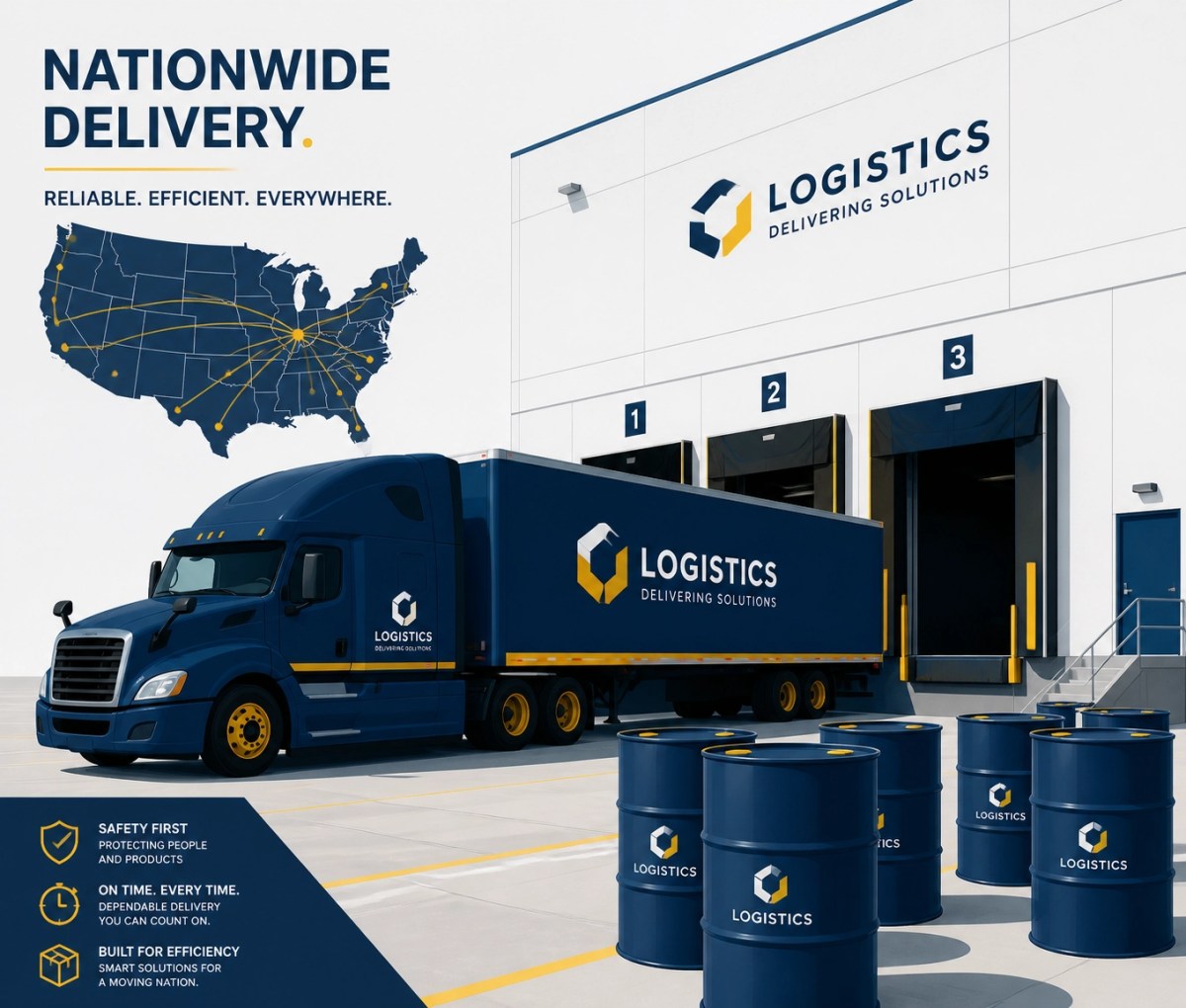
Verify Nationwide Delivery Capabilities.
- Confirm lead times for regional distribution.
- Check availability of lift-gate service for shops without loading docks.
-
Evaluate Pricing Structures.
- Compare drum pricing vs. tote pricing.
- Ask about volume-based discounts.
-
Assess Business Credentials.
- Prioritize Woman-Owned Business (WOSB) certifications for supplier diversity goals.
- Look for personalized service models over automated call centers.
-
Review Technical Support.
- Access product data sheets (PDS) and safety data sheets (SDS).
- Ensure compatibility with existing shop equipment.
Environmental Impact and Sustainability
Measure the ecological footprint of packaging choices.
- Drum Waste: Managing multiple steel drums increases scrap metal processing requirements.
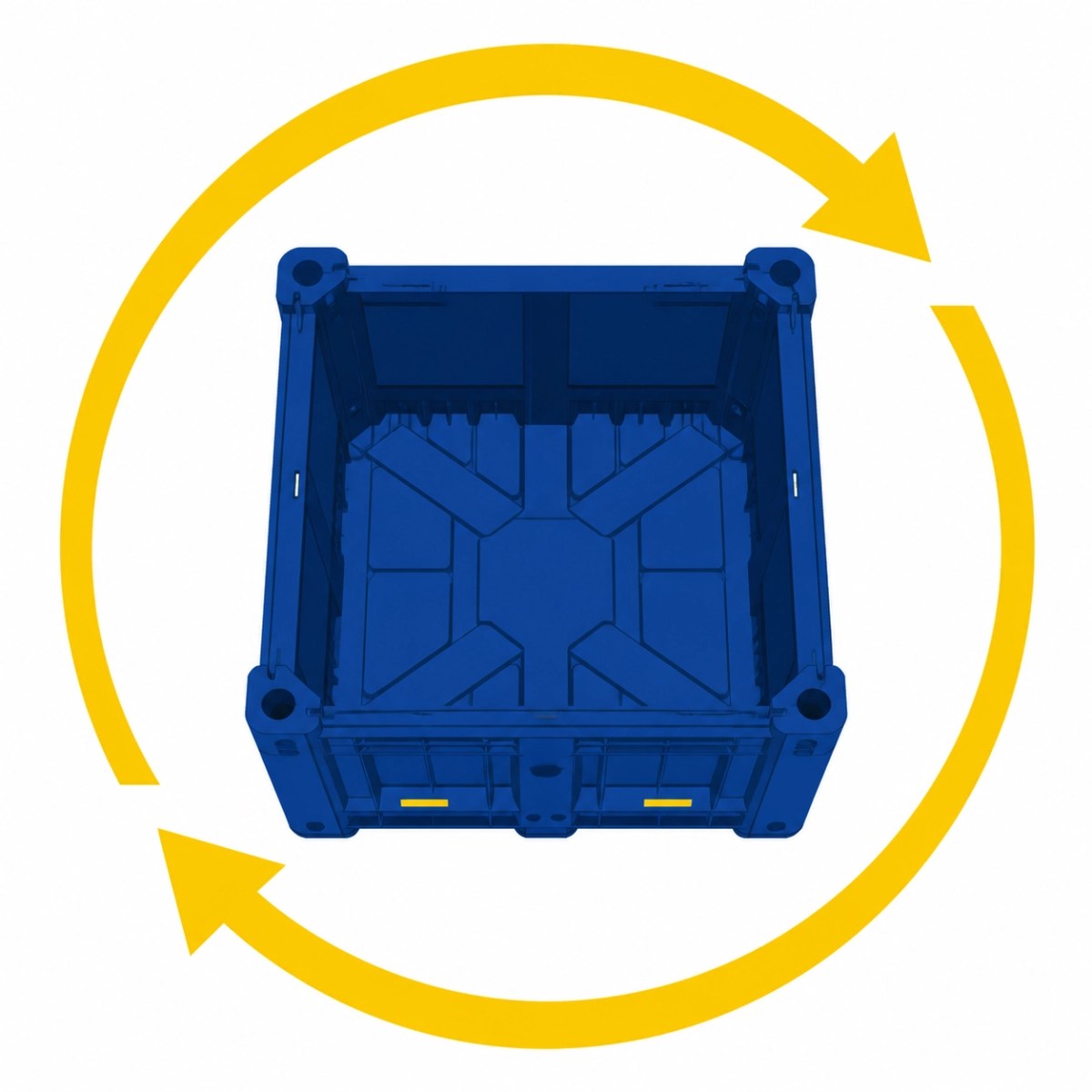
- Tote Reuse: Composite totes are often picked up, cleaned, and reused by the distributor.
- Carbon Footprint: Reduced shipping frequency with bulk totes lowers overall transportation emissions.
Inventory Management Strategies
Prevent downtime by maintaining optimal stock levels.
- Lead Time Tracking: Monitor delivery windows from your industrial lubricants supplier.
- Safety Stock: Maintain a 15% buffer for critical fluids.
- Visual Inspection: Check tote levels weekly using translucent tank walls.
- Documentation: Log batch numbers for quality control audits.
Contact Ascend Wholesale
Request a quote for lubricants and DEF.
- Status: Woman-Owned Small Business (WOSB).
- Service Area: Reliable nationwide delivery.
- Core Products: Industrial lubricants, aviation oils, bulk DEF.
- Value Proposition: Competitive pricing and personalized service.
Action Items
Technical Specifications Summary
| Feature | 55 Gallon Drum | Bulk Tote (275/330) |
|---|---|---|
| Volume | Low to Medium | Medium to High |
| Storage Footprint | Small | Efficient |
| Handling | Manual/Dolly | Forklift Required |
| Cost per Gallon | Higher | Lower |
| Waste Factor | Higher | Minimal |
| Best Use | Specialty Fluids | Bulk Commodities |
Logistics and Delivery Coordination
Optimize the receiving process for bulk deliveries.
Receiving 55-Gallon Drums
- Ensure adequate space for pallet placement.
- Inspect drums for dents or seal breaches upon arrival.
- Log delivery into inventory system.
Receiving Bulk Totes
- Confirm forklift weight capacity matches tote weight (up to 3,000 lbs).
- Verify access clearance for 18-wheeler delivery trucks.
- Coordinate with the bulk lubricants supplier for scheduled drop-offs.
Conclusion of Comparison
For shops with consistent, high-volume fluid needs, bulk totes provide the most efficient cost-per-gallon and storage density. For shops with diverse fluid requirements and limited handling equipment, 55-gallon drums remain the standard choice.
- Select Totes for: Hydraulic oil, 15W-40 engine oil, DEF.
- Select Drums for: Cutting fluids, way lubricants, food-grade greases.
Refer to the Aviation Oil Buyer's Guide for specialized fluid requirements.
Maintain compliance with local environmental regulations regarding bulk fluid storage and spill containment. Ensure all personnel are trained on the specific handling requirements of each container type.
For personalized assistance in selecting the right volume for your facility, contact a specialized distributor focused on nationwide lubricant delivery.