
Define Aircraft Maintenance Objectives
Prioritize aircraft turnaround times.
Reduce ground time.
Maintain scheduled flight operations.
Identify fluid requirements.
Select an aviation oil supplier.
Ensure product availability.
Improve fleet performance.
Select an Aviation Oil Supplier
Evaluate supplier reliability.
Confirm nationwide delivery capabilities.
Check inventory levels.
Verify technical support availability.
Assess distribution network.
Review competitive pricing structures.
Identify woman-owned small business status.
Consult the About page for company history.

Categorize Aviation Lubricants
Identify turbine engine requirements.
Refer to the Aviation Turbine Oil 101 guide.
Select piston engine oils.
Specify multi-grade versus straight-grade lubricants.
List hydraulic fluid needs.
Determine grease and specialty lubricant specifications.
Contact an industrial lubricants supplier for secondary requirements.
Monitor Inventory Levels
Establish minimum stock thresholds.
Prevent maintenance delays.
Track consumption rates.
Automate reordering processes.
Avoid emergency procurement costs.
Maintain safety stock.
Utilize bulk storage solutions.
Execute Bulk Orders
Calculate volume requirements.
Compare container sizes.
Order 55-gallon drums.
Order quart cases.
Submit purchase orders for bulk totes.
Reduce per-unit costs.
Coordinate bulk DEF delivery for ground support equipment.

Coordinate Shipping and Logistics
Select delivery dates.
Verify shipping addresses.
Confirm loading dock access.
Monitor shipment tracking numbers.
Inspect incoming deliveries.
Check seal integrity.
Document receipt of goods.
View available services for delivery options.
Manage On-Site Storage
Designate clean storage areas.
Maintain temperature controls.
Follow first-in, first-out (FIFO) inventory rotation.
Label storage containers clearly.
Update Safety Data Sheets (SDS).
Ensure spill containment compliance.
Prevent product contamination.
Execute Fluid Changes
Drain used oil from engines.
Collect samples for analysis.
Inspect filters for debris.
Install new filters.
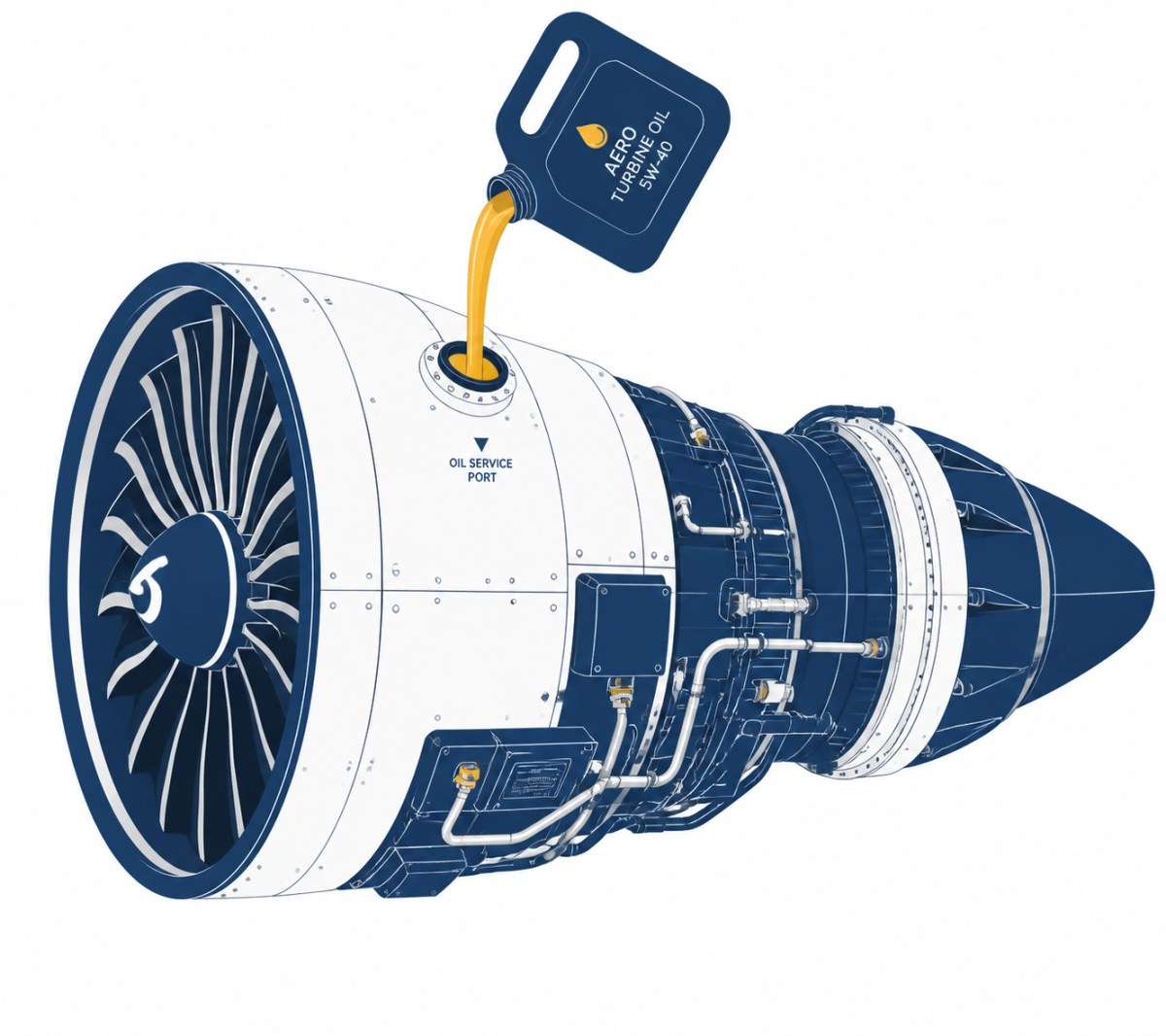
Add fresh aviation oil.
Verify oil levels.
Run engine checks.
Log maintenance actions.
Verify Compliance and Quality
Maintain manufacturer approvals.
Follow FAA regulations.
Check batch numbers.
Review Certificate of Analysis (COA).
Ensure SAE standards.
Comply with MIL-SPEC requirements.
Perform regular quality audits.
Mitigate Operational Risks
Avoid counterfeit products.
Verify supplier credentials.
Prevent misfueling errors.
Identify a secondary industrial lubricants supplier.
Establish contingency plans.
Maintain backup fluid supplies.
Train personnel on fluid handling.
Support Ground Equipment
Identify diesel engine requirements.
Contact a diesel exhaust fluid supplier.
Maintain ground power units.
Service tugs and baggage tractors.
Stock 15W-40 engine oil.
Order hydraulic fluids for lifts.
Maintain high uptime for support vehicles.

Optimize Turnaround Schedules
Align oil deliveries with maintenance windows.
Reduce wait times for parts.
Communicate with maintenance crews.
Update fleet managers.
Monitor lead times.
Adjust order frequency based on flight hours.
Minimize aircraft on ground (AOG) situations.
Analyze Cost Efficiency
Track lubricant expenditures.
Evaluate supplier performance.
Review shipping costs.
Analyze price-per-hour metrics.
Identify waste reduction opportunities.
Negotiate contract terms.
Compare bulk vs. small-pack pricing.
Manage Documentation
Store invoices digitally.
Keep maintenance logs updated.
Track fluid consumption by aircraft.
Record batch information.
Maintain disposal records for used oil.
Archive quality certificates.
Standardize reporting formats.
Perform Environmental Stewardship
Dispose of used oil properly.
Recycle lubricant containers.
Use biodegradable cleaners where applicable.
Prevent ground spills.
Follow local environmental regulations.
Document hazardous waste disposal.
Review environmental policy regularly.
Review Supplier Performance
Assess delivery punctuality.
Evaluate product quality consistency.
Test customer service responsiveness.
Verify billing accuracy.
Confirm adherence to specifications.
Review woman-owned business participation.
Schedule annual supplier reviews.

Update Procurement Strategy
Review market trends.
Anticipate price fluctuations.
Adjust inventory levels seasonally.
Identify new lubricant technologies.
Update approved vendor lists.
Refine delivery schedules.
Integrate procurement with maintenance software.
Access Customer Support
Contact Ascend Wholesale.
Submit inquiries online.
Call for technical assistance.
Request price quotes.
Inquire about nationwide delivery.
Verify stock for specific brands.
Request bulk delivery schedules.
Action Summary
Select a reliable aviation oil supplier.
Order bulk lubricants.
Schedule deliveries.
Verify inventory.
Change fluids.
Resume flight operations.
Follow for Updates
Subscribe to news.
Check the sitemap.
Read industry insights.
Monitor service changes.
Stay informed on lubricant specs.
Post a comment.
Scroll to top.